Discovering the Right Fit: Tips for Choosing a Memory Care Residence
Business Name: BeeHive Homes of Levelland
Address: 140 County Rd, Levelland, TX 79336
Phone: (806) 452-5883
BeeHive Homes of Levelland
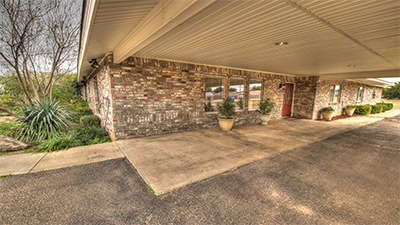
Beehive Homes of Levelland assisted living care is ideal for those who value their independence but require help with some of the activities of daily living. Residents enjoy 24-hour support, private bedrooms with baths, medication monitoring, home-cooked meals, housekeeping and laundry services, social activities and outings, and daily physical and mental exercise opportunities. Beehive Homes memory care services accommodates the growing number of seniors affected by memory loss and dementia. Beehive Homes offers respite (short-term) care for your loved one should the need arise. Whether help is needed after a surgery or illness, for vacation coverage, or just a break from the routine, respite care provides you peace of mind for any length of stay.
140 County Rd, Levelland, TX 79336
Business Hours
Choosing a memory care house is not a spreadsheet decision. Households show up with complicated stories, half-packed boxes, and a mix of hope and concern. A daughter has been doing the night shift for months since her mom wanders and reorganizes the kitchen at 3 a.m. A partner requires safe bathing and medication oversight, however still wants to garden and hear Sinatra at lunch. Great memory care makes room for both reality and self-respect. The hard part is telling the difference between a sleek pamphlet and a place that can carry your loved one through the long arc of dementia care.
What follows comes from many years of walking households through admissions, care plan conferences, and, yes, difficult moves when a house was not the best fit. Use these insights to frame what you see and what you ask. The objective is not perfection, it is a match that keeps your individual safe, engaged, and seen.
Start with your individual, not the building
Write down the handful of things that specify your loved one's days. Early morning routines, favorite foods, how they handle change, what relaxes them throughout agitation. Include the genuine care needs: support with bathing or dressing, continence assistance, diabetes management, hearing loss, a history of falls, or a propensity to leave your home unexpectedly. Layer in the less visible truths such as paranoia, hallucinations, or durations of passiveness. Memory care is not interchangeable; some homes stand out with exit-seeking citizens, others shine with those who are physically frail but socially oriented.
Two quick examples assist hone the lens. A former engineer who likes tools may do well in a neighborhood that runs small-group workshops with safe, purposeful tasks. A retired instructor with expressive aphasia needs personnel who comprehend nonverbal cues and do not press for words throughout meals, when overwhelm peaks. When you tour, you are listening for these fits, not just square footage.
What quality memory care truly means
Marketing language typically blurs the difference in between senior care in basic and specialized dementia care. Look past the mottos and request specifics on viewpoint and practice. A strong program is developed around predictable rhythms, experienced personnel, and versatile actions to behavior changes.
Training is a helpful proxy. Ask the number of hours of dementia-specific education personnel receive at hire and every year. In lots of states, the regulative minimum is modest, often under 8 hours for onboarding and 4 to 12 hours each year. Neighborhoods that invest tend to use 16 to 24 hours at hire plus refreshers on interaction, de-escalation, and a person-centered method. Ask who teaches it. A nurse teacher or a credentialed dementia care specialist signals more depth than a generic online module.
Staffing ratios inform just part of the story. You might hear numbers like one caregiver to six citizens in the day and one to eight at night. Ratios differ by state and acuity level. What matters more is whether there is licensed nurse coverage on-site or on-call, and whether there is consistent staffing by area so citizens see familiar faces. Continuity decreases agitation and makes subtle health modifications much easier to find. Ask how often personnel rotate between memory care and the wider assisted living floors. High rotation typically associates with homeowners being dealt with as jobs instead of people with histories and preferences.
Policies around behavior matter too. A home that uses antipsychotics as a first-line repair for exit-seeking or sundowning is not practicing modern-day dementia care. Look for non-pharmacologic techniques such as calm areas, music intervention, and structured activity before medication. When medications are needed, you desire a clear procedure with doctor oversight and regular taper attempts.
Clinical truths that shape the fit
Alzheimer's illness is the most common reason for dementia, however not the only one. Lewy body dementia, vascular dementia, frontotemporal dementia, and blended medical diagnoses show up with different patterns. If you are seeing visual hallucinations, fluctuating alertness, or REM sleep disorder, staff require experience with Lewy body. If speech and impulse control are the challenges, frontotemporal dementia needs an environment that can tolerate tough minutes without punitive responses.
Comorbidities add intricacy. Heart conditions, COPD, chronic kidney disease, and insulin-dependent diabetes call for tighter nursing oversight and dependable coordination with outdoors clinicians. Neighborhoods handle medication management in a different way. Some pull blister packs from a contracted pharmacy and administer on a schedule; others enable family-supplied medications, with tighter documentation. Both can work, however the system must be reputable. I look for single-dose product packaging, electronic med administration records, and a nurse who can explain how they manage declined medications, missed out on dosages, and negative effects tracking.
Hospice and palliative services are worth inquiring about early, even if you do not require them yet. Numerous memory care citizens ultimately gain from hospice for sign management and extra support. You desire a neighborhood that partners efficiently, not one that treats hospice as an inconvenience.
Safe, calm, and accessible spaces
You can inform a lot about a memory care area by how citizens use the space. Search for clear sightlines, brief corridors, and visual cues that assist with orientation. Soft, indirect lighting makes a useful difference in late afternoon when glare and shadows can activate misperceptions. Handrails must be constant and easy to grip. Restrooms that can be gotten in from 2 sides minimize congestion during early morning care, and bathroom ought to be warm and well lit to lessen resistance.
Wandering is not naturally hazardous. Hazardous wandering is. Managed exits, unobtrusive door alarms, and protected outdoor yards enable motion without risk. I like to see a minimum of one looped walking path inside your home with resting spots every 30 to 40 feet. Seating needs to be strong and differed in height. If you discover chairs that look nice but slide on tile or tuck under too firmly for a person with limited depth understanding, the area was designed for staging images, not people.
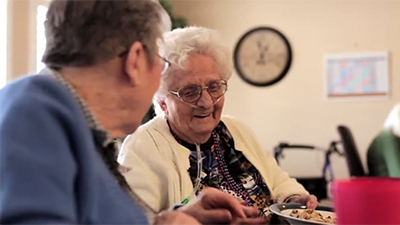
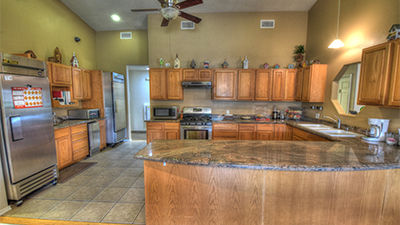
Kitchens and dining-room are worthy of very close attention. Family-style plating, supportive utensils, and smaller sized dining rooms lower overwhelm. If you observe a meal, view whether personnel sit at eye level and hint discreetly, or whether they stand over locals and rush. You can feel the difference.
Life enrichment that respects adulthood
Activities matter, however not calendars stuffed with generic crafts. Genuine engagement comes from matching remaining abilities to meaningful jobs. A great program balances little groups with one-on-one time, and it runs seven days a week, not just on weekdays. Early morning regimens might consist of coffee-and-headlines for those who like structure, while afternoons may lean into music, walks, and sensory stations to aid with sundowning.
One house I deal with keeps a shadowbox outside each room with images and objects from a resident's life. Personnel utilize it as a conversation bridge throughout transitions. Another established a peaceful pastime nook with bolts, washers, and sanded wood blocks. Homeowners who fidget or choose at clothing often settle into rhythmic sorting. These are not childlike jobs; they are purposeful, tuned to cognition and motor skills. Ask to see care strategies that connect a resident's history to their daily schedule. If the strategy is a generic template, expect generic days.
Leadership, guidance, and the night shift
The finest memory care floors have leaders who show up. Does the nurse or program director walk the unit a number of times a day, or are they buried in an office? Ask how typically care conferences are held and who goes to. A robust conference includes the nurse, a care assistant who really deals with your loved one, the life enrichment lead, and, when required, the dining or treatment team. If you hear that care conferences are done by phone with generic notes, it is more difficult to move the needle on useful issues like bathing refusals or weight loss.
Overnight care is where great programs identify themselves. Nights are when delirium, respiratory problems, and stress and anxiety surge. There ought to be awake staff all night, with clear rounding schedules and paperwork. If there is no certified nurse on-site, ask how the community manages a fall, a blood sugar level of 45, or an intense change in breathing at 2 a.m. One structure I respect keeps a focused emergency situation package on the system and trains all personnel quarterly on first action while waiting for EMS. That sort of preparation hardly ever appears in brochures.
Costs, contracts, and what "all inclusive" actually means
Sticker shock is normal. Throughout the United States, regular monthly rates for memory care typically vary from the low $5,000 s to over $10,000, depending on place and acuity. Rates models vary. Some communities use levels of care, with base lease plus tiered fees for support. Others promise an all-encompassing rate, which sounds reassuring until you discover what sits outside that umbrella: incontinence supplies, cable television, escorts to medical visits, or behavior management plans.
Expect an annual boost, frequently 3 to 8 percent, in some cases more. Clarify how increases are communicated and whether there are caps. Move-in charges prevail, normally a one-time charge that covers initial evaluation and setup. If you are thinking about respite care as a trial stay, ask if the day-to-day rate can be credited towards the first month if you transform to a permanent move.
For families thinking ahead to Medicaid, timing is fragile. Some memory care homes are personal pay only. Others accept Medicaid but have long waitlists or restrict the variety of Medicaid beds. If veterans benefits may apply, a regional Veterans Service Officer can approximate eligibility for Aid and Presence, which can balance out a number of hundred to more than a thousand dollars per month.
A short guide to the cash conversation can help you cut through jargon.
- What precisely is consisted of in the base rate, and what are the typical add-on charges over the very first year?
- How are care levels determined, and who makes the decision to move somebody to a higher level?
- What is the present average out-of-pocket cost for locals with requirements comparable to my loved one's?
- If behavior support or one-to-one supervision is needed, how is that billed, and for how long?
- Do you accept Medicaid after a private-pay duration, and if so, the length of time is that period and are Medicaid areas guaranteed?
How to tour with your eyes and ears open
Call a minimum of two homes and schedule trips at different times of day. Plan one during a meal, another in late afternoon, when sundowning can check a program's mettle. When you show up, do not just follow the route the sales director recommends. Ask to walk the memory care flooring, peek into typical rooms, and, if suitable, observe an activity for a few minutes.
Use a compact list to arrange what you notice.
- Staff talk to residents by name, wait for eye contact, and kneel or sit to be at their level.
- Hallways and common spaces feel calm, with purposeful noise, not roaring televisions.
- You see citizens doing things besides sitting: folding towels, watering plants, strolling with staff.
- Odors are neutral; if you capture a strong odor, check again 15 minutes later on to eliminate a short-term issue.
- Call lights or motion sensing units do not call for long; staff respond within a few minutes.
Go with your instincts, however back them with questions. If the tour route avoids a wing or the director dismisses interest in vague peace of minds, keep probing. I as soon as visited a building with shiny art on the walls and an ideal courtyard. The dining room looked staged. In the hall, I saw a resident trying to open a locked door, no personnel in sight. After three minutes, a care assistant hurried over, winded. Too few individuals for too many citizens. We passed.
Respite care as a low-risk trial
A short respite stay can be a smart method to check the fit. Numerous communities offer one to four weeks of respite care in a provided suite, with complete access to memory care programs. Households typically utilize respite throughout a caretaker's travel or healing from surgery, however it likewise functions as a reasonable sneak peek of how a loved one will settle. Staff can observe sleep patterns, medication tolerance, and sets off without the pressure of a long-term move. You find out whether your individual warms to the dining-room or withstands common areas, and you can adjust the plan accordingly.
If you try respite, pack familiar bedding, label clothing, and bring a couple of individual products that can trigger acknowledgment: a baseball cap, a framed wedding event photo, a favorite cardigan. Provide a basic profile card with essential facts and calming techniques. The group will use it more than you expect.
Communication, consent, and household involvement
Memory care goes best when families and personnel function as partners. Ask how the neighborhood interacts routine updates and urgent changes. Some use protected apps with day-to-day notes and photos, which can be valuable for distant relatives. Others rely on weekly calls or email summaries. The more complex your loved one's needs, the more you desire direct lines to the nurse and the program director, not simply a general voicemail.
Documents matter. Make sure healthcare proxies, powers of lawyer, and advance instructions are in place and on file. If numerous siblings share decision-making, clarify who can provide day-to-day consent for medication changes or health center transfers. Disagreements sluggish care at the worst moments.
Look for a family council or routine education nights. Great communities welcome families to find out about dementia care strategies, not simply attend holiday celebrations. If the structure endures household drop-ins at diverse hours and welcomes you at meals or activities, it is easier to remain connected without hovering.
Red flags worth heeding
No single issue disqualifies a house, but a cluster of patterns must provide you stop briefly. High staff turnover over lots of months frequently spills into care gaps. If you hear 3 different variations of the medication procedure from three individuals, the system is delicate. Look for a senior care punitive tone about residents. Phrases like "they're hard" or "we don't do that here" signal rigidity.
Be wary of neighborhoods that assure they can handle any habits. No home can, and sincere leaders will outline their thresholds for outside psychiatric consults, short-term one-to-ones, or health center assessments. Openness about limits generally associates with much better everyday issue solving.
Moving day and the very first thirty days
Moves are stressful for individuals with dementia. Plan for an early morning arrival when possible, so your loved one can settle in the past evening. Keep the environment calm. Too many member of the family in the space can overwhelm. Let personnel lead, and march if your existence intensifies distress. Location recognizable products in sight: the afghan at the foot of the bed, slippers by the chair, household pictures at eye level.
Expect a period of adjustment. Cravings might dip for a week or two. Sleep may be unpredictable. Some locals test borders or attempt to leave. This does not suggest the placement is incorrect. It does imply the group needs to meet early to compare notes and adapt. Two examples from current moves: one resident stopped consuming lunch until the cooking area used smaller sized, more regular snacks with finger foods. Another ended up being combative at showers, which improved after moving bath time to mid-morning with warmer spaces and a preferred playlist.
Ask for a 30-day care conference. Review weight, mood, engagement, and any occurrences. Settle on objectives for the next month. Keep interaction concise and accurate. If you are not getting updates, request a weekly check-in call for the very first six weeks.
A short case from practice
Mr. R, 82, a former mail provider with mixed Alzheimer's and vascular dementia, lived with his son. He wandered at night and resisted bathing, however loved coffee and morning walks. 2 tours left the child cold. The very first had a vibrant calendar however felt loud and quick. The second was peaceful, however the structure given off disinfectant and homeowners sat facing a TV.
They attempted a two-week respite care stay at a 3rd house with a small, light-filled memory care system. The director arranged Mr. R for a morning strolling group and seated him with 2 men who had actually been tradespeople. Staff found out to cue showers by handing him a warm towel and mentioning a morning path, which anchored him in a familiar routine. After day 9, his sleep consolidated. The boy felt relief for the first time in a year. They transformed to permanent residency, and the community folded hospice in gracefully 18 months later when his heart failure advanced. This was not a perfect run. He fell twice without injury and had a brief medical facility stay for pneumonia. What mattered was the team's responsiveness and the steady fit with his habits.
When a higher level of care is right
Some residents eventually require skilled nursing or a dedicated behavioral health setting. Indications include unchecked aggressiveness that puts others at risk, severe swallowing problems needing constant experienced oversight, complex injury care, or frequent hospitalizations that overtake the residence's nursing capability. A credible memory care neighborhood will help you examine the relocation and coordinate handoffs with precise records and useful assistance about what to expect next. Moving is hard, but the ideal environment at the right time lowers suffering.
Final thoughts and a useful course forward
You do not require to solve everything today. Go for a step-by-step procedure that balances head and heart. Start with clearness about your loved one's needs and preferences. Narrow to three memory care options that vary in size or approach. Visit a minimum of twice, including one mealtime. Ask pointed questions about staffing, training, medical oversight, and costs. Think about respite care as a trial if you are unsure. When you choose, support the transition with familiar items, basic regimens, and steady communication.
Most families discover that good memory care is not about features. It is about staff who understand that your dad eats much better if he hears Ella Fitzgerald, or that your mom softens when inquired about her garden. It is about regimens that feel like life, not a schedule. And it has to do with having partners who can navigate the unpredictable road of dementia care with persistence, skill, and respect.
BeeHive Homes of Levelland provides assisted living care
BeeHive Homes of Levelland provides memory care services
BeeHive Homes of Levelland provides respite care services
BeeHive Homes of Levelland supports assistance with bathing and grooming
BeeHive Homes of Levelland offers private bedrooms with private bathrooms
BeeHive Homes of Levelland provides medication monitoring and documentation
BeeHive Homes of Levelland serves dietitian-approved meals
BeeHive Homes of Levelland provides housekeeping services
BeeHive Homes of Levelland provides laundry services
BeeHive Homes of Levelland offers community dining and social engagement activities
BeeHive Homes of Levelland features life enrichment activities
BeeHive Homes of Levelland supports personal care assistance during meals and daily routines
BeeHive Homes of Levelland promotes frequent physical and mental exercise opportunities
BeeHive Homes of Levelland provides a home-like residential environment
BeeHive Homes of Levelland creates customized care plans as residents’ needs change
BeeHive Homes of Levelland assesses individual resident care needs
BeeHive Homes of Levelland accepts private pay and long-term care insurance
BeeHive Homes of Levelland assists qualified veterans with Aid and Attendance benefits
BeeHive Homes of Levelland encourages meaningful resident-to-staff relationships
BeeHive Homes of Levelland delivers compassionate, attentive senior care focused on dignity and comfort
BeeHive Homes of Levelland has a phone number of (806) 452-5883
BeeHive Homes of Levelland has an address of 140 County Rd, Levelland, TX 79336
BeeHive Homes of Levelland has a website https://beehivehomes.com/locations/levelland/
BeeHive Homes of Levelland has Google Maps listing https://maps.app.goo.gl/G3GxEhBqW7U84tqe6
BeeHive Homes of Levelland Assisted Living has Facebook page https://www.facebook.com/beehivelevelland
BeeHive Homes of Levelland Assisted Living has YouTube page https://www.youtube.com/@WelcomeHomeBeeHiveHomes
BeeHive Homes of Levelland won Top Assisted Living Homes 2025
BeeHive Homes of Levelland earned Best Customer Service Award 2024
BeeHive Homes of Levelland placed 1st for Senior Living Communities 2025
People Also Ask about BeeHive Homes of Levelland
What is BeeHive Homes of Levelland Living monthly room rate?
The rate depends on the level of care that is needed. We do an initial evaluation for each potential resident to determine the level of care needed. The monthly rate is based on this evaluation. There are no hidden costs or fees
Can residents stay in BeeHive Homes until the end of their life?
Usually yes. There are exceptions, such as when there are safety issues with the resident, or they need 24 hour skilled nursing services
Do we have a nurse on staff?
No, but each BeeHive Home has a consulting Nurse available 24 – 7. if nursing services are needed, a doctor can order home health to come into the home
What are BeeHive Homes’ visiting hours?
Visiting hours are adjusted to accommodate the families and the resident’s needs… just not too early or too late
Do we have couple’s rooms available?
Yes, each home has rooms designed to accommodate couples. Please ask about the availability of these rooms
Where is BeeHive Homes of Levelland located?
BeeHive Homes of Levelland is conveniently located at 140 County Rd, Levelland, TX 79336. You can easily find directions on Google Maps or call at (806) 452-5883 Monday through Sunday 9:00am to 5:00pm
How can I contact BeeHive Homes of Levelland?
You can contact BeeHive Homes of Levelland by phone at: (806) 452-5883, visit their website at https://beehivehomes.com/locations/levelland/,or connect on social media via Facebook or YouTube
You might take a short drive to the Levelland City Park.Levelland City Park provides shaded areas and benches that enhance assisted living, senior care, elderly care, and respite care outdoor activities.